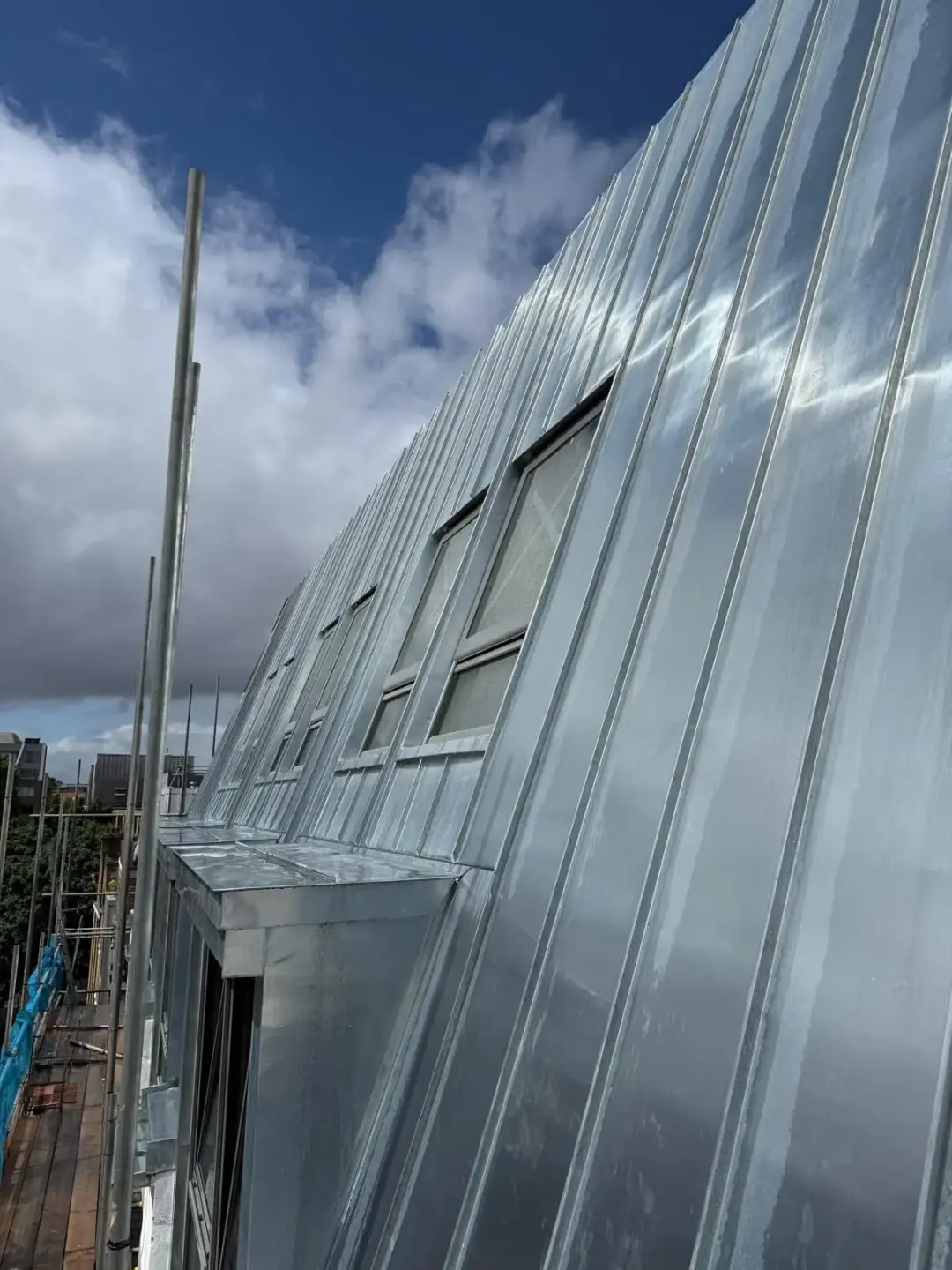
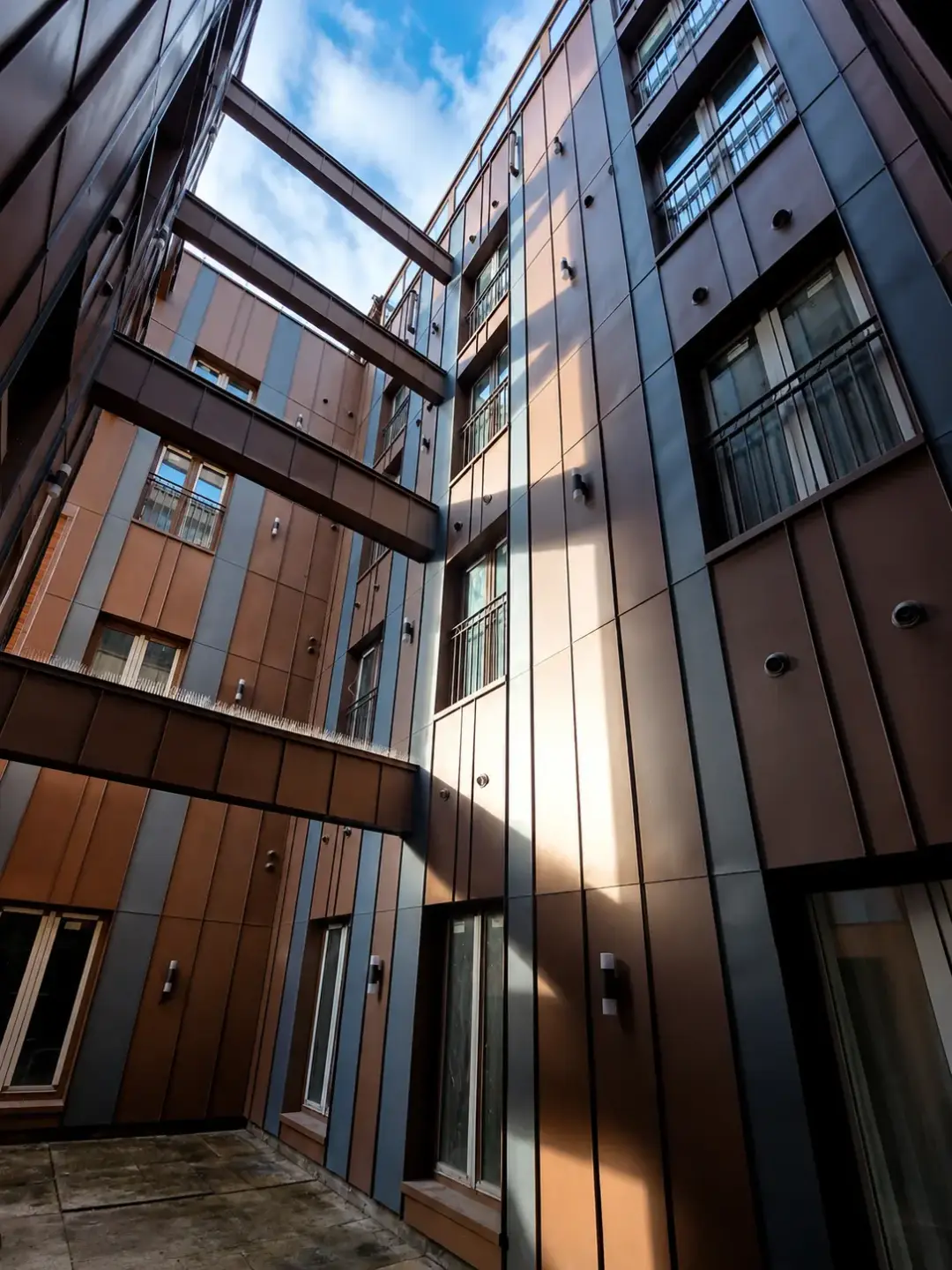
Metal cladding lifespan varies widely with the metal, protective finish, exposure and quality of the wall construction. Some coated steel products describe service beyond 20 years, while architectural zinc can remain useful much longer. For buildings in London, the better question is which component will need attention first, rather than how long metal lasts in the abstract.
Separate service life from maintenance intervals
A panel may need cleaning or recoating before it needs replacement. Conversely, an intact coating does not establish that concealed fixings or the backing wall are sound. The expected life of the assembly therefore includes more than the visible metal: look at joints, supports, flashings, membranes and the route by which water drains away.
Ask suppliers to define every time period they quote. First maintenance is a planned intervention point, a warranty is contractual cover for specified defects and service life is an estimate of useful performance. These dates should not be swapped in a sales conversation. A shorter coating-maintenance interval does not automatically mean the whole elevation must be stripped at that age.
Coated steel: identify the finish before the number
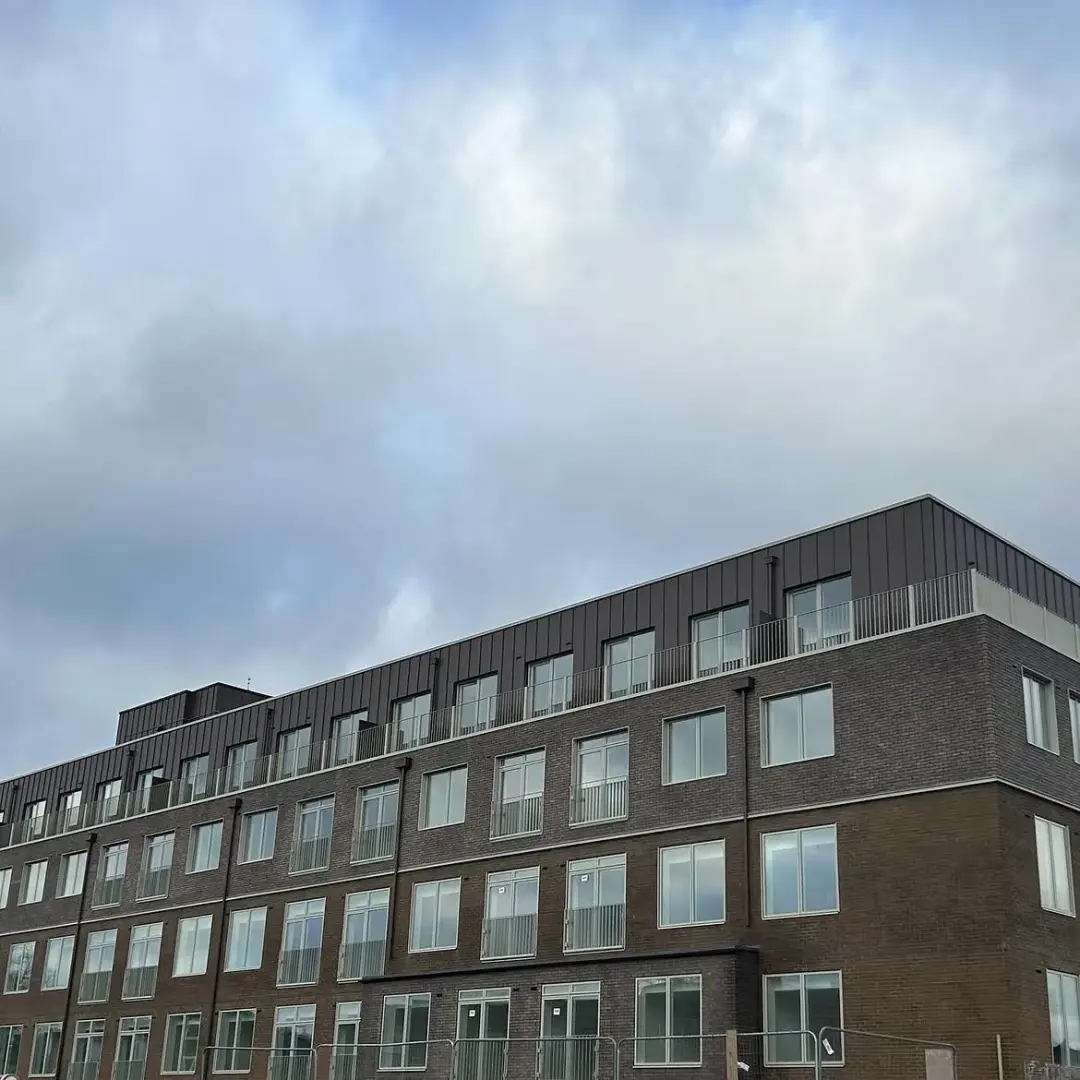
For a concrete product example checked in October 2026, Cladco’s polyester-coated 32/1000 sheet describes eight to twelve years before first maintenance or repainting in normal environments, and overall life beyond 20 years. That should not be read as a forecast for all steel cladding or for harsher exposure.
The metal substrate, coating chemistry and condition of cut edges affect how the product behaves. Request the selected product’s care and repair guidance, especially for scratches and site-cut components. A coating that performs well inland may need a different specification near salt air or aggressive emissions. Compare product data on equivalent exposure assumptions rather than choosing the longest number in isolation.
Key considerations
- Do not confuse first maintenance with complete replacement.
- Read the exact product and exposure conditions.
- Inspect junctions and concealed-system risks alongside the panels.
Premium coating cover is not the whole wall lifespan
Tata Steel’s current Colorcoat range information gives Confidex cover of up to 40 years for qualifying products and applications; periods depend on the product and exposure zone. The stated application includes industrial and commercial building envelopes. This is not a blanket 40-year promise for every domestic facade or every component behind the sheets.
For the proposed system, ask what the guarantee protects, how it is registered and which exclusions apply. Check whether access and replacement labour are covered, and separate manufacturer obligations from workmanship cover. A warranty can be valuable evidence of product confidence, but its duration cannot substitute for designing a drained wall or selecting appropriate supports and fasteners.
Zinc follows a different ageing process
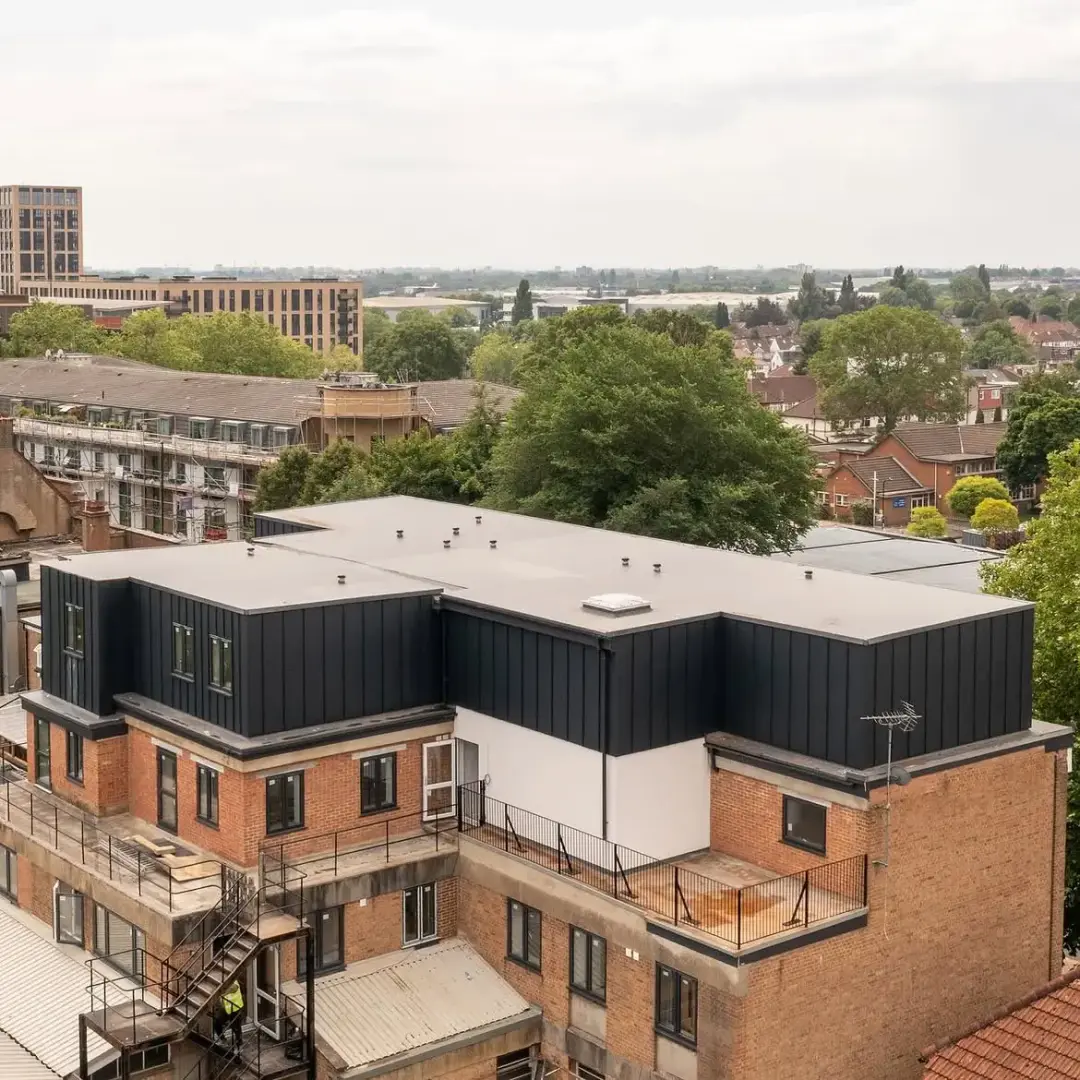
Architectural zinc develops a protective patina rather than depending on the same painted surface as coated steel. VMZINC’s UK housing guidance describes an 80–100-year material lifespan for its roof and facade applications. Treat this as manufacturer guidance under suitable conditions, not an inspection result for your wall or a guarantee for every detail.
A long-lived facing still needs compatible fixings, correct support and managed moisture. Repeated wetting at a poorly designed base or unsuitable contact with adjoining materials can undermine a durable metal. When comparing zinc with coated steel, include different maintenance approaches and installation requirements, as well as visual preference. The useful decision concerns the complete specification rather than the metal name alone.
Exposure and detailing control the outcome
Pay particular attention to parapets, window heads, lower edges and roof-to-wall junctions. These are places where concentrated water, dirt or damage can shorten useful performance. Sheltered recesses may retain deposits because rainfall cannot wash them. A clean upper panel is therefore not enough evidence that the entire elevation is ageing evenly.
Keep drainage routes open and have damaged trims or loose components assessed promptly. Arrange checks after building alterations, impact or exceptional weather. Our metal roof repair service is relevant where an adjoining roof or flashing is directing water onto the cladding; repairing the source can be more effective than repeatedly treating the stain below.
Plan refurbishment before replacement is unavoidable
A condition survey can distinguish ageing appearance from loss of function. Recoating may be suitable for some sound coated-steel installations, while others need local panel replacement or more extensive work. The decision depends on adhesion, corrosion, access, compatibility and the hidden wall condition. A fresh colour is not evidence that the original problem has been resolved.
Keep installation records, finish references and photographs so a future surveyor can identify what is present. Request a maintenance forecast alongside a quotation and ask which elements can be replaced independently. The best lifespan planning allows timely smaller interventions and makes future access realistic. Waiting until panels, supports and junctions have all deteriorated together leaves fewer economical choices.
If the building changes use, review the cladding conditions again. New extract outlets, irrigation or equipment can introduce moisture and deposits that were absent when the original product was selected.
How Long Does Metal Cladding Last? — sources checked 19 October 2026.
Summary
Cladding lasts longest when the chosen product suits its exposure and the whole wall manages water correctly. Discuss the metal, maintenance plan and connected roof details with S H Roofing Ltd to build a realistic expectation of service life.