A metal roof investment can be worthwhile when you need a durable replacement, value a precise architectural finish and intend to keep the property long enough to benefit. The answer depends on the complete roof specification and your alternative options. For homeowners in London, the sensible comparison includes installation, future maintenance and disruption across the years you expect to own the building.
What are you actually buying?
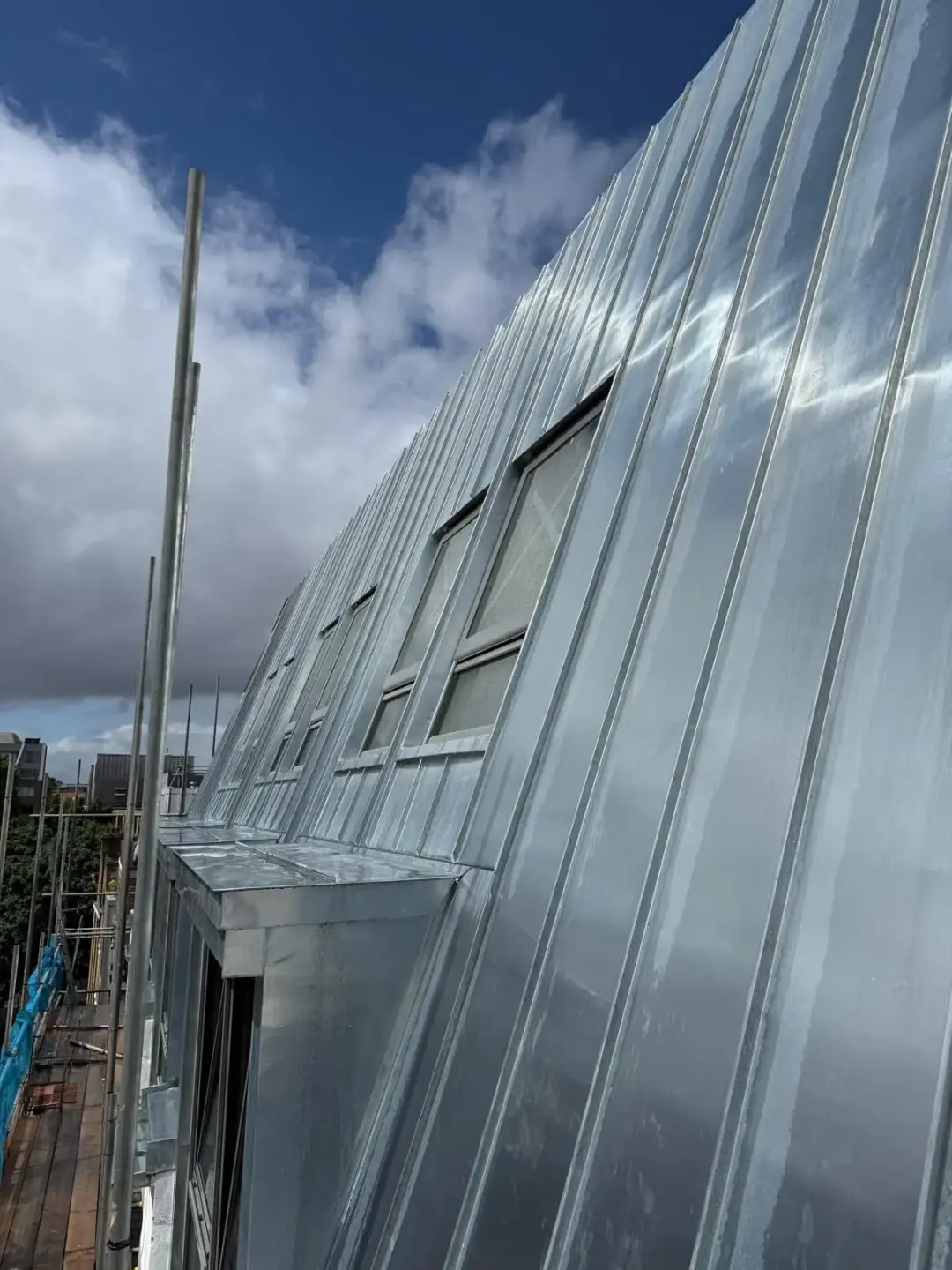
Metal roofing covers several different propositions. Factory-coated steel sheets, standing seam aluminium and traditionally detailed zinc do not have interchangeable prices or maintenance needs. A quotation should identify the metal, thickness, finish, fixing method and roof construction, rather than simply offering a metal roof. The substrate, insulation, drainage and junctions are part of the purchase too.
Start by defining what the existing roof cannot deliver. You may need a suitable covering for an extension, fewer recurring leaks or a finish that connects a dormer to its surrounding cladding. Those objectives give the investment a purpose. Paying for a premium surface while leaving defective decking or poorly resolved outlets underneath makes the comparison misleading.
How much useful life could you gain?
Long service can justify a higher initial price, but only where the evidence matches the proposed system. A 2015 ASTM-published study projected more than 60 years for the particular 55% aluminium-zinc alloy-coated steel standing seam roofs investigated, using appropriate installation practices. That is established research, not a newly measured UK average or a promise for every metal roof.
Ask which evidence supports the product in your quotation. A coating warranty, a material warranty and an installer’s workmanship cover answer different questions. Check who pays for access and remedial labour, whether cover transfers to a buyer and what exclusions apply to your location. A long headline number has limited value if its conditions do not fit your project.
Key considerations
- Compare complete roof systems on the same scope.
- Check warranty conditions alongside the expected service life.
- Include access, future repairs and ownership timescale.
Compare whole-life costs with a worked example
Use a common comparison period and the same scope for every option. Here is a hypothetical calculation, not a quotation: Roof A costs £15,000 and Roof B £23,000. If A needs an additional £10,000 replacement within the chosen period and B does not, the initial £8,000 saving has been overtaken before maintenance or financing is considered.
The result could reverse if A remains serviceable, B needs expensive repairs or you sell quickly. Put expected repair allowances, scaffolding, disposal and replacement into a spreadsheet. Consider when those costs occur, since future spending is not directly equivalent to paying today. Ask for a like-for-like alternative covering so the decision is based on credible options for the same building.
Will a metal roof reduce energy bills?
Changing the external covering alone does not establish an energy saving. Thermal performance depends on insulation continuity, air leakage, thermal bridges and the construction beneath the metal. A reflective finish can affect solar heat absorption, but the outcome also depends on orientation, ventilation and how the home is used. Treat universal percentage-saving claims with caution.
Opening up a roof can provide an opportunity to resolve insulation gaps and awkward junctions together. Request a proposed build-up, rather than an assurance that metal is energy efficient. The same principle applies to rain noise: discuss the supporting layers and acoustic requirements. Our standing seam roofing service explains another aspect of choosing the system, beyond the surface material.
When the investment makes less sense
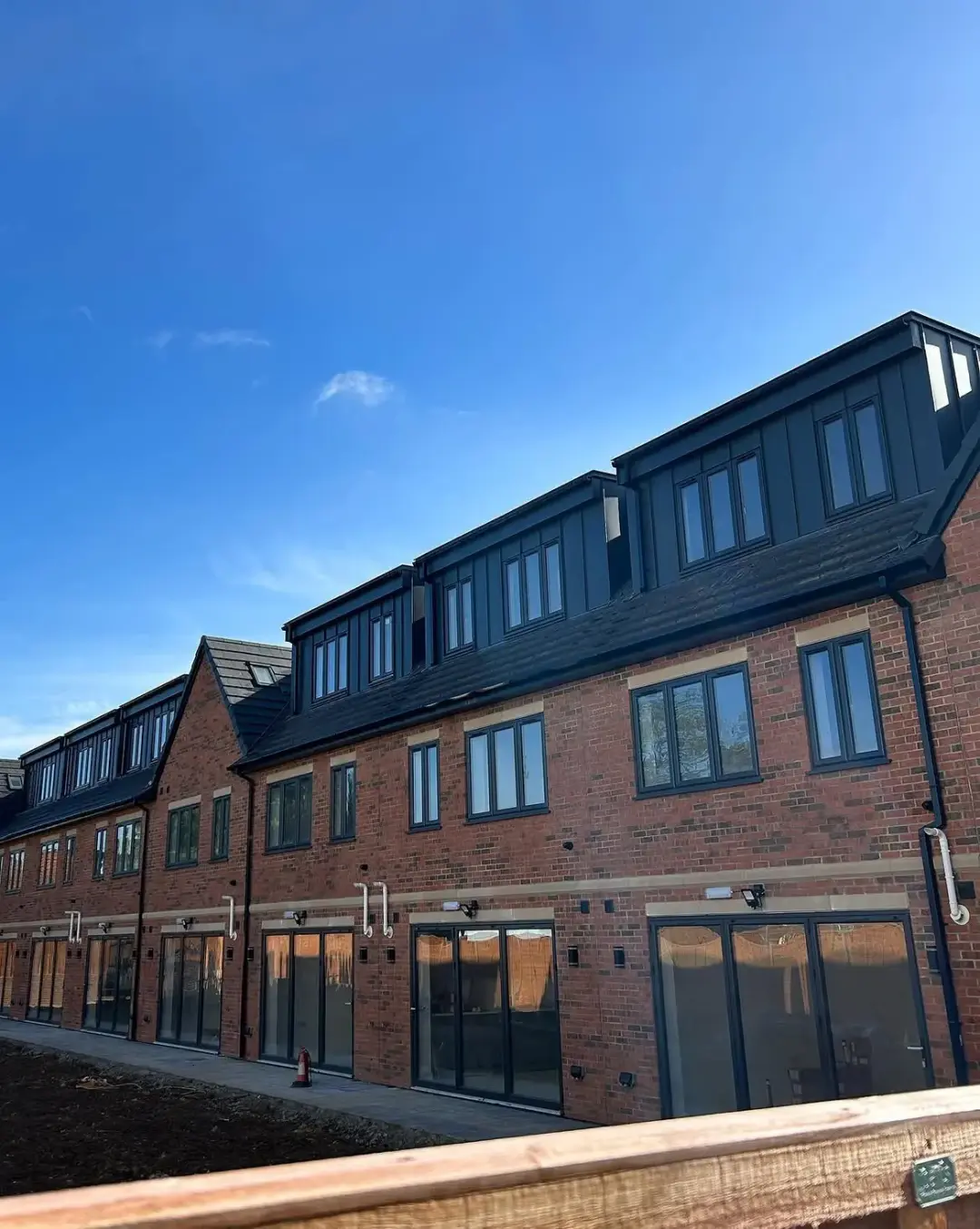
A complete replacement may be hard to justify when a sound roof has one repairable defect. An isolated flashing failure, blocked outlet or damaged panel deserves diagnosis before a much larger purchase. Cosmetic preference is a valid reason to upgrade, but it should be recognised as that, rather than presented as a guaranteed financial return.
A short ownership horizon also changes the calculation. Buyers may appreciate a documented new roof, yet no fixed increase in UK resale value can be promised for your property. Consider planning constraints, neighbouring buildings and access costs before committing. Spending within a realistic budget on correct details usually matters more than choosing the most expensive metal available.
Questions that make quotations easier to judge
Ask each installer to price the same area and explain exclusions in writing. Request details of removal, temporary weather protection, decking repairs, insulation, rooflights and gutters. Establish how concealed damage will be photographed and priced if discovered after stripping. That prevents an apparently cheaper offer from becoming a different project once work starts.
Also discuss future additions. Solar equipment, maintenance access and roof-mounted services need compatible fixing arrangements; they should not be improvised through finished panels. Keep drawings, product identification and warranty documents together. A traceable specification helps the next owner maintain the roof and gives you a firmer basis for judging value than an unsupported claim about being maintenance-free.
Is a Metal Roof Worth the Investment? — sources checked 19 October 2026.
Summary
A metal roof offers the strongest value when its lifespan, appearance and construction suit a clearly defined need. Ask S H Roofing Ltd to assess installation options for your property before comparing the full cost against a suitable alternative.